
Chronicles
1 July 2026
Foods for Longevity: What Studies Teach Us About the Diets of Centenarians
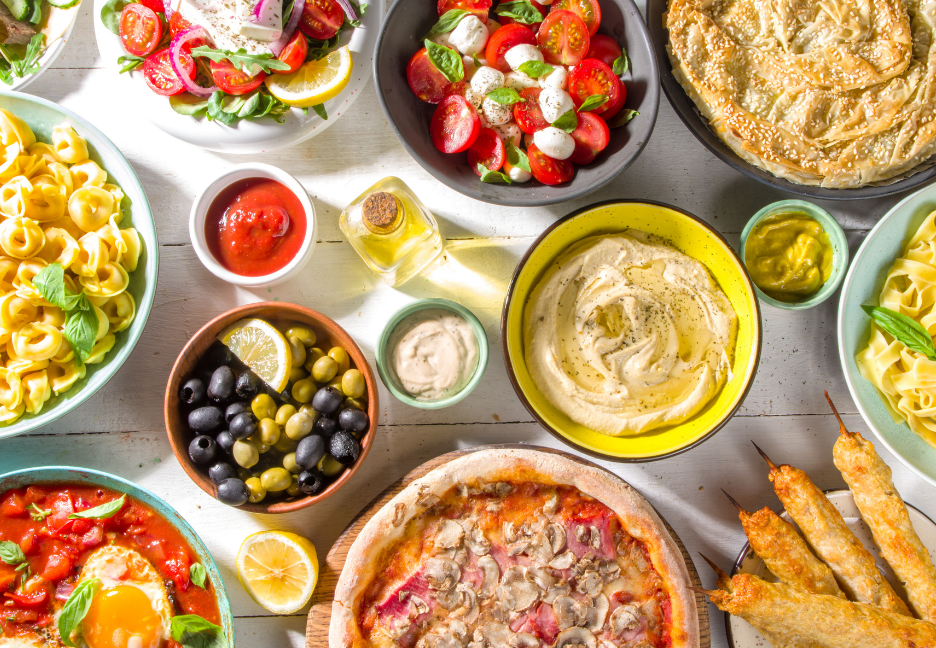
Are there foods that can help us live longer? The question has fascinated researchers and the general public for decades. Of course, no single food has the magical power to add years to our lives on its own. Longevity is the result of a complex combination of factors: physical activity, sleep, stress management, social connections, genetics, and access to healthcare all play important roles.
Yet when researchers analyze the eating habits of hundreds of thousands of people followed over several decades, certain foods consistently appear on the plates of those who live longer and enjoy better health.
These “longevity champions” form the foundation of dietary patterns associated with lower rates of cardiovascular disease, type 2 diabetes, certain cancers, and overall mortality. They are central to the Mediterranean diet and are also commonly found in regions of the world known for their unusually high concentrations of centenarians, often referred to as the “Blue Zones.”
Legumes: The Unsung Queens of Longevity
Beans, lentils, chickpeas, and peas occupy a central place in the diets of many of the world’s longest-lived populations. Rich in plant protein, fiber, minerals, and complex carbohydrates, legumes help stabilize blood sugar levels, promote satiety, and support cardiovascular health.
A study involving older adults from several countries even found that a modest increase in daily legume consumption was associated with a significant reduction in mortality risk. Few foods can claim such a consistent effect across such diverse populations.
Nuts: Small in Size, Big in Benefits
Almonds, walnuts, pistachios, hazelnuts, and cashews boast an impressive nutritional profile. They provide heart-healthy unsaturated fats, plant proteins, fiber, and a wide range of antioxidant compounds.
Large cohort studies consistently show that people who eat nuts several times a week have a lower risk of premature death, particularly due to reduced rates of cardiovascular disease.
Just a few handfuls per week appear to be enough to produce measurable benefits.
Coffee: Good News for Coffee Lovers
Once controversial, coffee has experienced a remarkable scientific comeback. Epidemiological studies consistently show that moderate coffee consumption is associated with a lower risk of death from all causes.
Researchers attribute these effects to coffee’s abundance of polyphenols and other bioactive compounds with antioxidant and anti-inflammatory properties.
Moderation remains important, however, particularly for individuals who are sensitive to caffeine.
Extra Virgin Olive Oil: The Mediterranean’s Liquid Gold
At the heart of the Mediterranean diet lies a simple food: extra virgin olive oil. Rich in monounsaturated fats and polyphenols, it helps reduce chronic inflammation and protects cardiovascular health.
Numerous studies have linked regular olive oil consumption with lower risks of heart disease and premature mortality. It serves as a healthier alternative to fats rich in saturated fatty acids and can easily be incorporated into everyday meals.
Fruits and Vegetables: An Evidence-Based Classic
The advice to eat more fruits and vegetables is probably one of the most repeated nutritional recommendations—and one of the best supported by science. Their wealth of fiber, vitamins, minerals, antioxidants, and phytochemicals appears to influence several mechanisms involved in aging.
Studies generally show that higher fruit and vegetable consumption is associated with lower risks of cardiovascular disease, certain cancers, and overall mortality. Maintaining a colorful variety on the plate remains one of the best strategies for maximizing these nutritional benefits.
Whole Grains: Often Underestimated Allies
Whole grain bread, oats, barley, quinoa, and brown rice provide fiber, B vitamins, and numerous protective compounds found in the bran and germ of grains. Unlike refined grains, whole grains are consistently associated with reduced risks of cardiovascular disease, diabetes, and premature death.
Gradually replacing refined products with their whole-grain counterparts is one of the simplest and most effective dietary changes people can make.
Fish: The Benefits of the Sea
Fish—especially omega-3-rich varieties such as salmon, sardines, and mackerel—also hold an important place in dietary patterns linked to longevity. Omega-3 fatty acids contribute to brain health, cardiovascular health, and possess important anti-inflammatory properties.
Regular but moderate consumption appears to help reduce the risk of cardiovascular disease.
Tea and Fermented Foods
Tea, whether green or black, provides large amounts of polyphenols associated with various metabolic and cardiovascular benefits. Meanwhile, fermented foods such as yogurt contribute to the diversity of the gut microbiome, an increasingly recognized player in healthy aging and immune function.
Although microbiome research is still relatively young, current evidence suggests that a diverse gut ecosystem may be a valuable ally for healthy aging.
A Dietary Pattern, Not a Miracle Food
Perhaps the most important lesson from longevity research is this: it is not isolated foods that matter most, but the overall dietary pattern. Populations that live long lives do not rely on a secret “superfood.” Instead, they consistently choose diets largely composed of minimally processed, plant-rich, and varied foods.
When independent studies conducted in different countries reach the same conclusions over several decades, it becomes difficult to dismiss the findings as mere coincidence.
The recipe for longevity may have less to do with miracles and more to do with the repetition of small, healthy food choices made consistently—meal after meal, year after year.
References
• Wang et al., 2014 (PMID: 24687909) – Fruits, légumes et mortalité
• Aune et al., 2016 (PMID: 27301975) – Grains entiers et mortalité
• Bao et al., 2013 (PMID: 23902891) – Noix et mortalité
• Darmadi-Blackberry et al., 2004 (PMID: 15228991) – Légumineuses et survie chez les personnes âgées
• Freedman et al., 2012 (PMID: 22591295) – Café et mortalité
• Guasch-Ferré et al., 2014 (PMID: 24886626) – Huile d’olive et mortalité cardiovasculaire